RFSymptoms: Safety netting advice
AdultsMigraine
DATE LAST REVIEWED: 05/11/2026
When to seek further review
- Arrange GP review if migraine attacks are worsening, difficult to control, happen more than once a week, or affect daily life.
- Get urgent advice if an attack lasts longer than 72 hours, or aura symptoms such as flashing lights last longer than 1 hour.
- Get urgent advice for a migraine during pregnancy or soon after giving birth, or symptoms that are new or different from the usual attacks.
- A child with worsening headaches, morning vomiting or headaches waking them from sleep needs urgent assessment rather than assuming it is migraine.
- For mild symptoms without any of the urgent or emergency warning signs listed here, a community pharmacist can advise on self-care and suitable medicines. Tell them the patient’s age, other medicines and any pregnancy or breastfeeding. They can direct you to another service if needed.
- Some prescribing pharmacies can assess and treat migraine in adults aged 18 or over. Check availability first. A new or unusual headache, or any warning signs listed above, needs medical assessment rather than being assumed to be migraine.
- Do not wait for the suggested review time if symptoms become worse, new symptoms appear, or you are worried.
- If you need medical advice and are unsure which service can help, call NHS 111. This includes when your GP is closed or you cannot get the help you need. NHS 111 can direct you to an appropriate local service. You can call even if you are not sure whether symptoms are serious.
When to get emergency help
(Immediately dial 999 or go to your nearest Emergency Department)
- A sudden, extremely severe headache or a headache very different from usual.
- New weakness, facial drooping, speech difficulty, loss of sight or double vision.
- A seizure, confusion, collapse or difficulty waking.
- A severe headache with a stiff neck, discomfort in bright light, or a rash that does not fade when pressed with a clear glass. Do not wait for a rash to appear.
- A severe or worsening headache after a head injury.
- Severe difficulty breathing, such as gasping or being unable to speak normally.
- New confusion or not making sense when speaking.
- Being very difficult to wake.
- Collapse or loss of consciousness.
- Blue, grey, unusually pale or blotchy skin or lips, especially when feeling very unwell.
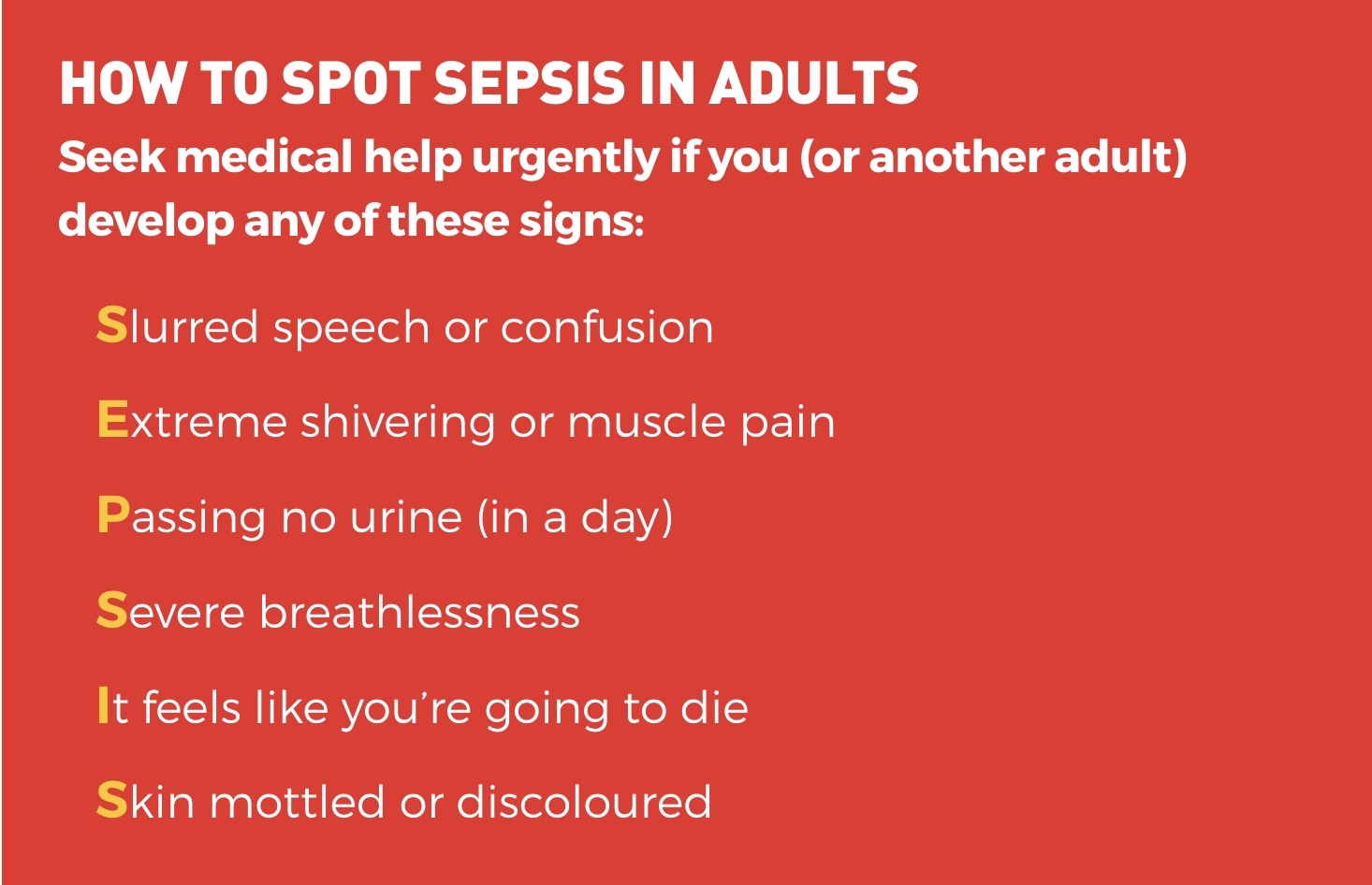
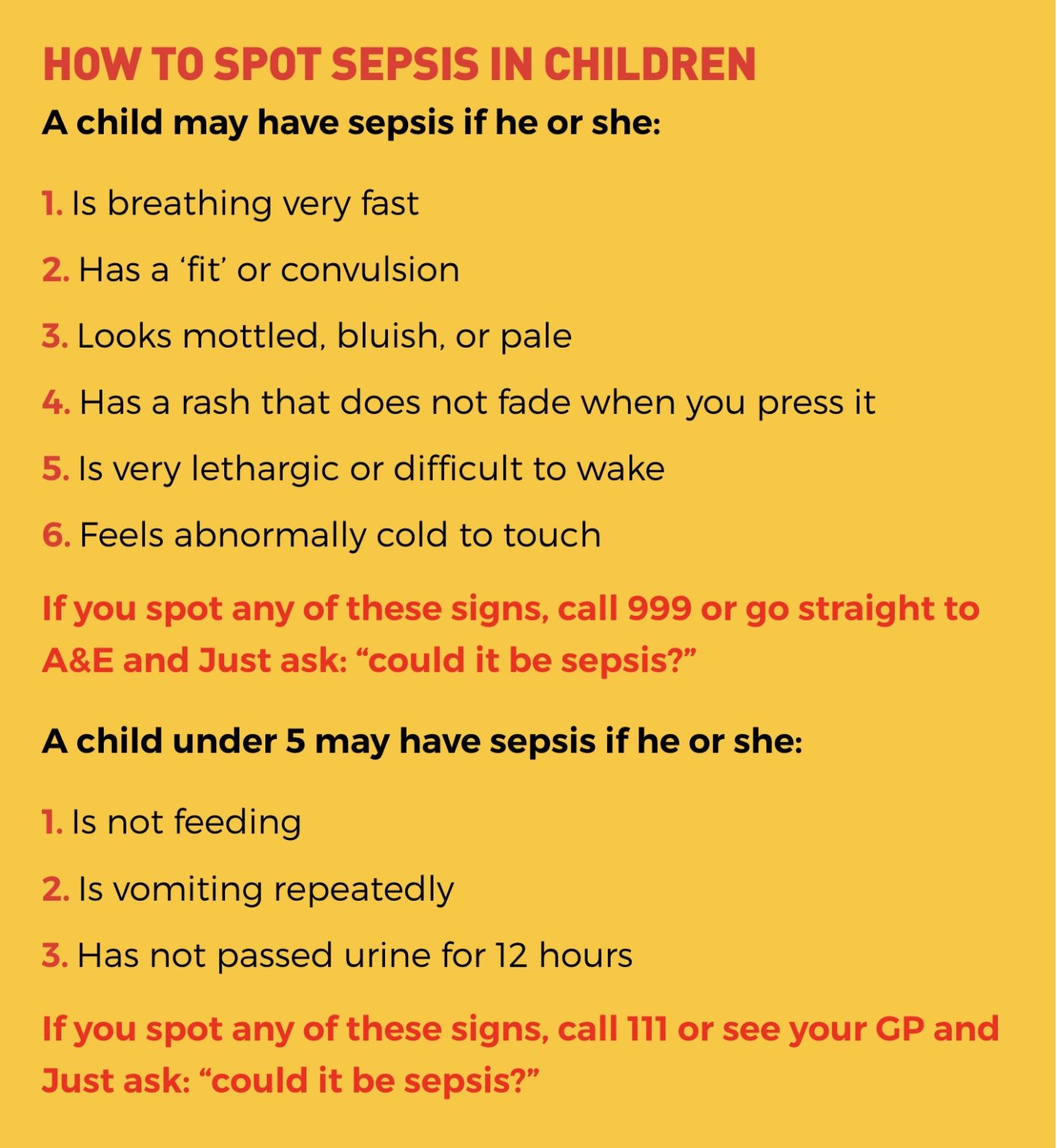
How to spot sepsis
Sepsis is a life-threatening reaction to an infection. It can get worse quickly. If someone is seriously unwell and may have sepsis, call 999 or go to your nearest Emergency Department. Do not wait for every sign, a high temperature or a rash.
An unwell child under 5 who has not had a pee or wet nappy for 12 hours needs emergency assessment. If you are unsure and there are no emergency signs, call NHS 111 for advice.
Sources
- NHS - Migrainehttps://www.nhs.uk/conditions/migraine/
- NHS - How pharmacies can helphttps://www.nhs.uk/nhs-services/pharmacies/how-pharmacies-can-help/
- NHS - Sepsishttps://www.nhs.uk/conditions/sepsis/
- NHS - When to use NHS 111https://www.nhs.uk/nhs-services/urgent-and-emergency-care-services/when-to-use-111/