RFSymptoms: Safety netting advice
AdultsSore throat
DATE LAST REVIEWED: 05/11/2026
When to seek further review
- Arrange GP review if symptoms have not started improving after 1 week, or if sore throats keep returning.
- Get urgent advice today if pain makes drinking difficult, there are signs of dehydration, fever is high or persistent, or symptoms worsen quickly.
- Get earlier advice for weakened immune defences or a child under 5 who needs help with a sore throat.
- A child with a sore throat lasting more than 3 days who also has a high temperature and is generally unwell needs GP assessment.
- For mild symptoms without any of the urgent or emergency warning signs listed here, a community pharmacist can advise on self-care and suitable medicines. Tell them the patient’s age, other medicines and any pregnancy or breastfeeding. They can direct you to another service if needed.
- Pharmacy First can assess and, where appropriate, treat sore throat from age 5 years. Contact the pharmacy first to check that it offers the service. Assessment does not always mean an antibiotic or other prescription is needed.
- Do not wait for the suggested review time if symptoms become worse, new symptoms appear, or you are worried.
- If you need medical advice and are unsure which service can help, call NHS 111. This includes when your GP is closed or you cannot get the help you need. NHS 111 can direct you to an appropriate local service. You can call even if you are not sure whether symptoms are serious.
When to get emergency help
(Immediately dial 999 or go to your nearest Emergency Department)
- Difficulty breathing or a high-pitched noise when breathing in.
- Being unable to swallow fluids or saliva, or drooling because swallowing is not possible.
- Rapidly increasing swelling inside the mouth, throat or neck.
- A severe sore throat that is rapidly worsening, with difficulty speaking or opening the mouth.
- Severe difficulty breathing, such as gasping or being unable to speak normally.
- New confusion or not making sense when speaking.
- Being very difficult to wake.
- Collapse or loss of consciousness.
- Blue, grey, unusually pale or blotchy skin or lips, especially when feeling very unwell.
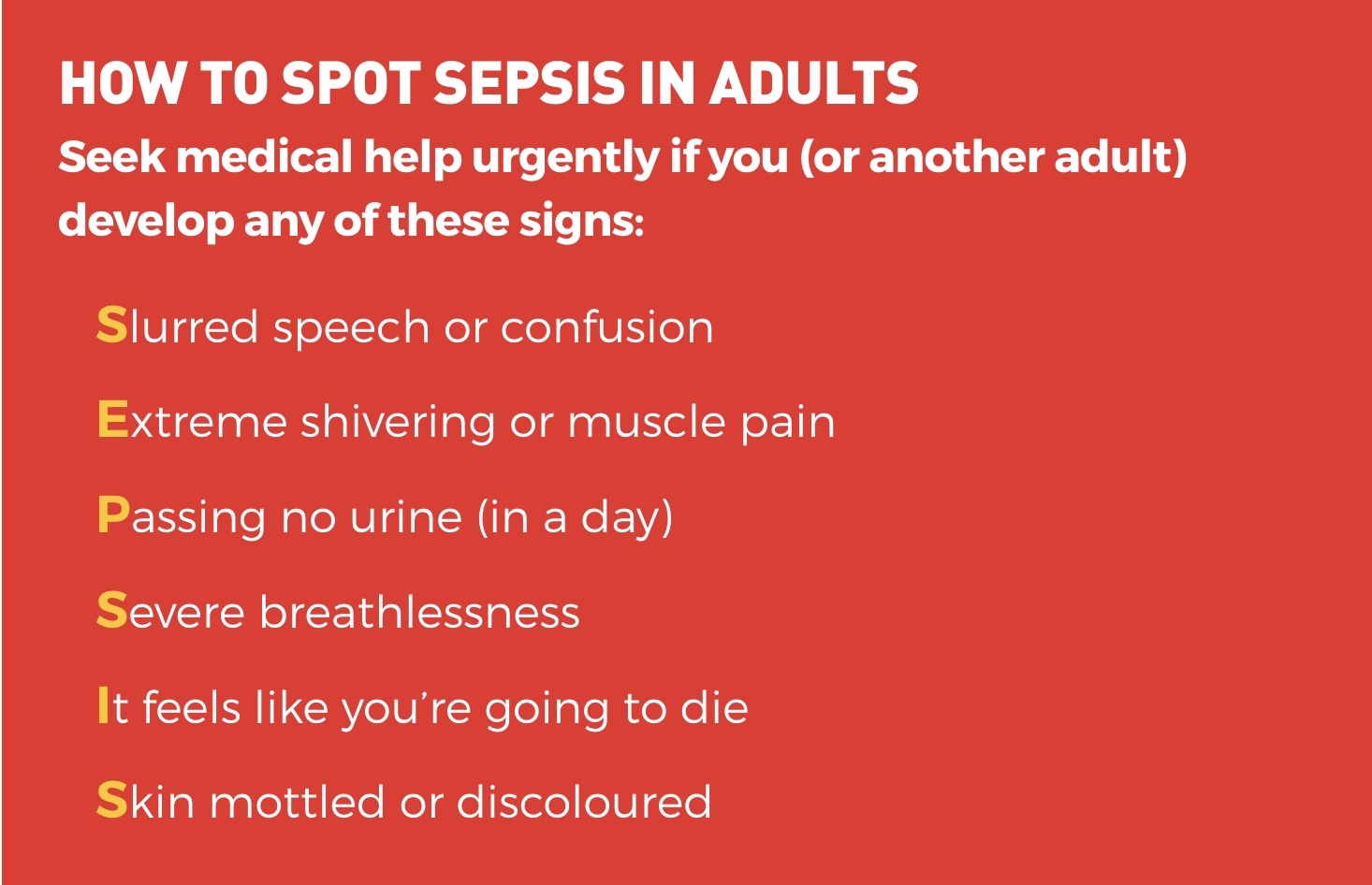
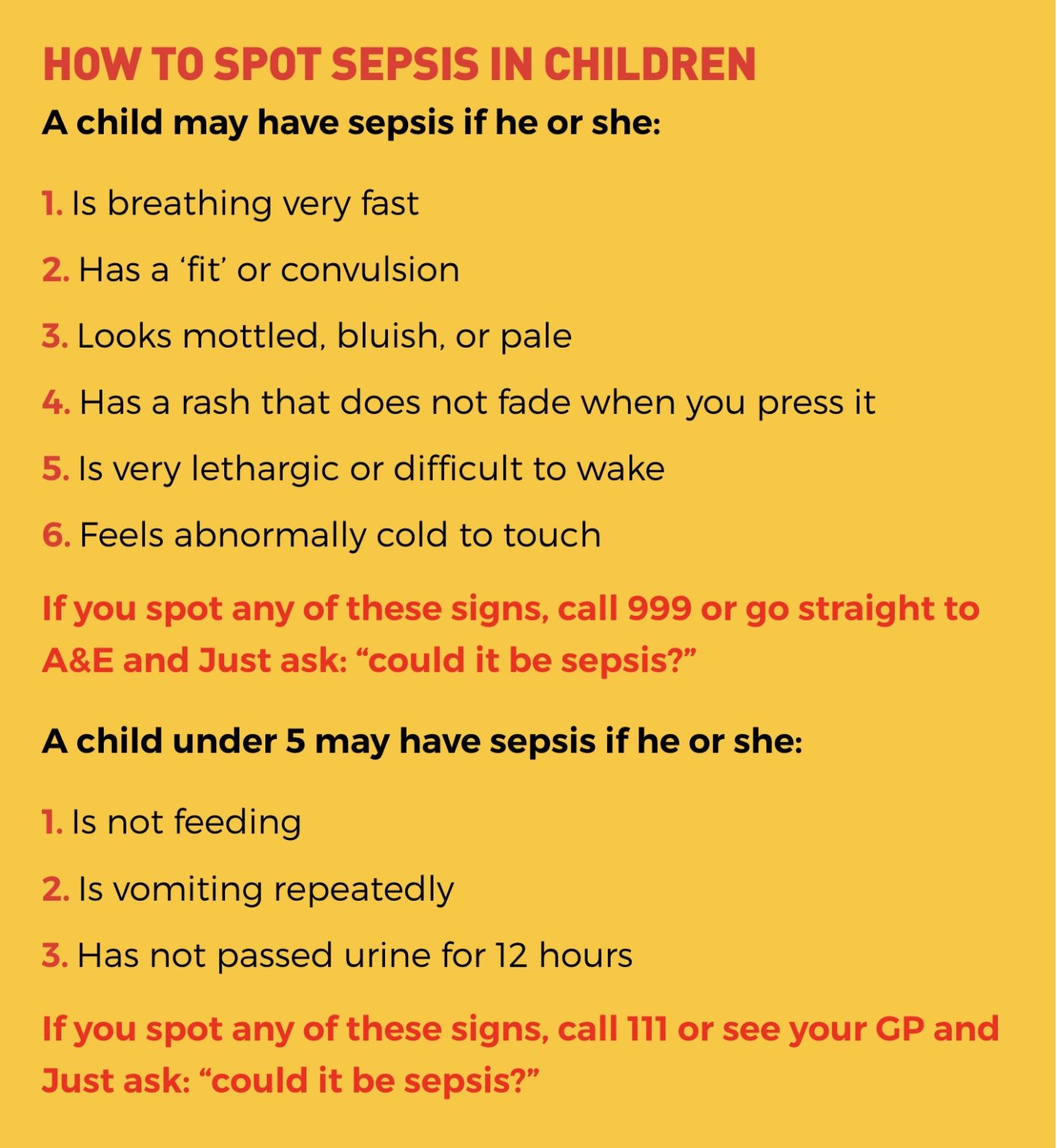
How to spot sepsis
Sepsis is a life-threatening reaction to an infection. It can get worse quickly. If someone is seriously unwell and may have sepsis, call 999 or go to your nearest Emergency Department. Do not wait for every sign, a high temperature or a rash.
An unwell child under 5 who has not had a pee or wet nappy for 12 hours needs emergency assessment. If you are unsure and there are no emergency signs, call NHS 111 for advice.
Sources
- NHS - Sore throathttps://www.nhs.uk/symptoms/sore-throat/
- NHS - How pharmacies can helphttps://www.nhs.uk/nhs-services/pharmacies/how-pharmacies-can-help/
- NICE NG84 - Acute sore throathttps://www.nice.org.uk/guidance/ng84/chapter/Recommendations
- NHS - Sepsishttps://www.nhs.uk/conditions/sepsis/
- NHS - When to use NHS 111https://www.nhs.uk/nhs-services/urgent-and-emergency-care-services/when-to-use-111/