RFSymptoms: Safety netting advice
ChildrenSprains and strains
DATE LAST REVIEWED: 05/11/2026
When to seek further review
- Get urgent assessment through NHS 111 or an urgent treatment centre if pain or swelling is severe or increasing, or it is not possible to put weight on the injured limb or walk a few steps.
- Most sprains start feeling better over about 2 weeks. Seek review earlier if there is no improvement with home care or normal movement is not returning.
- Contact the GP or physiotherapy service if recovery is slow or daily activities remain limited.
- A child refusing to use an arm or bear weight after an injury needs assessment; do not assume it is only a sprain.
- For mild symptoms without any of the urgent or emergency warning signs listed here, a community pharmacist can advise on self-care and suitable medicines. Tell them the patient’s age, other medicines and any pregnancy or breastfeeding. They can direct you to another service if needed.
- For an urgent problem that is not life-threatening, NHS 111 may direct you to an Urgent Treatment Centre (UTC) rather than a GP appointment. UTCs can assess many minor illnesses and injuries. Services, opening hours and ages treated vary, so call NHS 111 if you are unsure where to go. Do not delay emergency help for any of the emergency signs below.
- Do not wait for the suggested review time if symptoms become worse, new symptoms appear, or you are worried.
- If you need medical advice and are unsure which service can help, call NHS 111. This includes when your GP is closed or you cannot get the help you need. NHS 111 can direct you to an appropriate local service. You can call even if you are not sure whether symptoms are serious.
When to get emergency help
(Immediately dial 999 or go to your nearest Emergency Department)
- The injured limb looks bent, has changed shape or is pointing at an unusual angle.
- Bone is visible through the skin or there is a large open wound.
- New numbness, tingling or loss of movement below the injury.
- The hand or foot becomes cold, blue, grey or unusually pale.
- Severe pain with rapidly increasing, tight swelling.
- Severe difficulty breathing, pauses in breathing, grunting, or the skin pulling in deeply under or between the ribs.
- Being very difficult to wake or unresponsive.
- Being unusually floppy, confused or not responding as usual.
- Blue, grey, very pale or blotchy skin, lips or tongue.
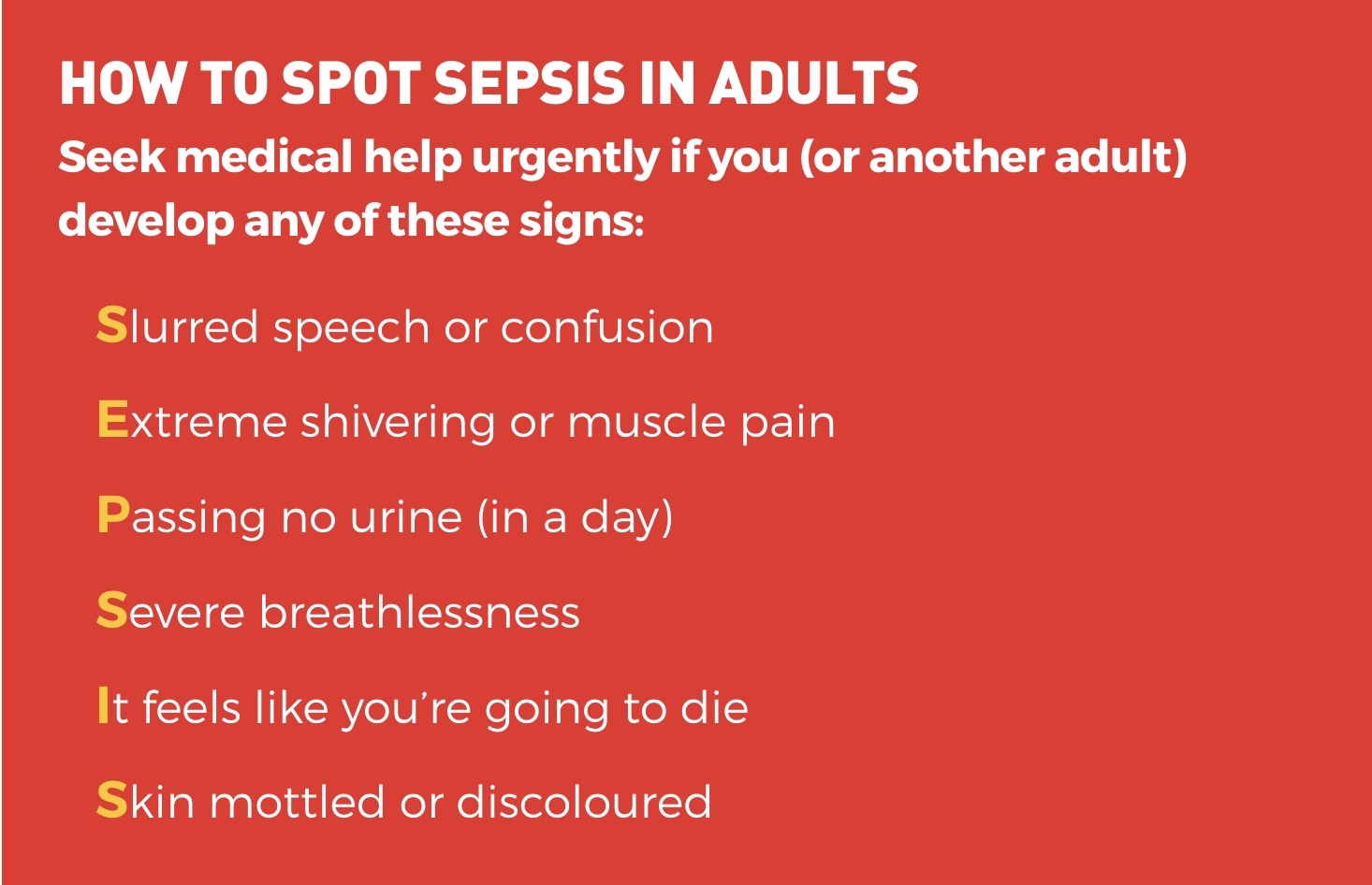
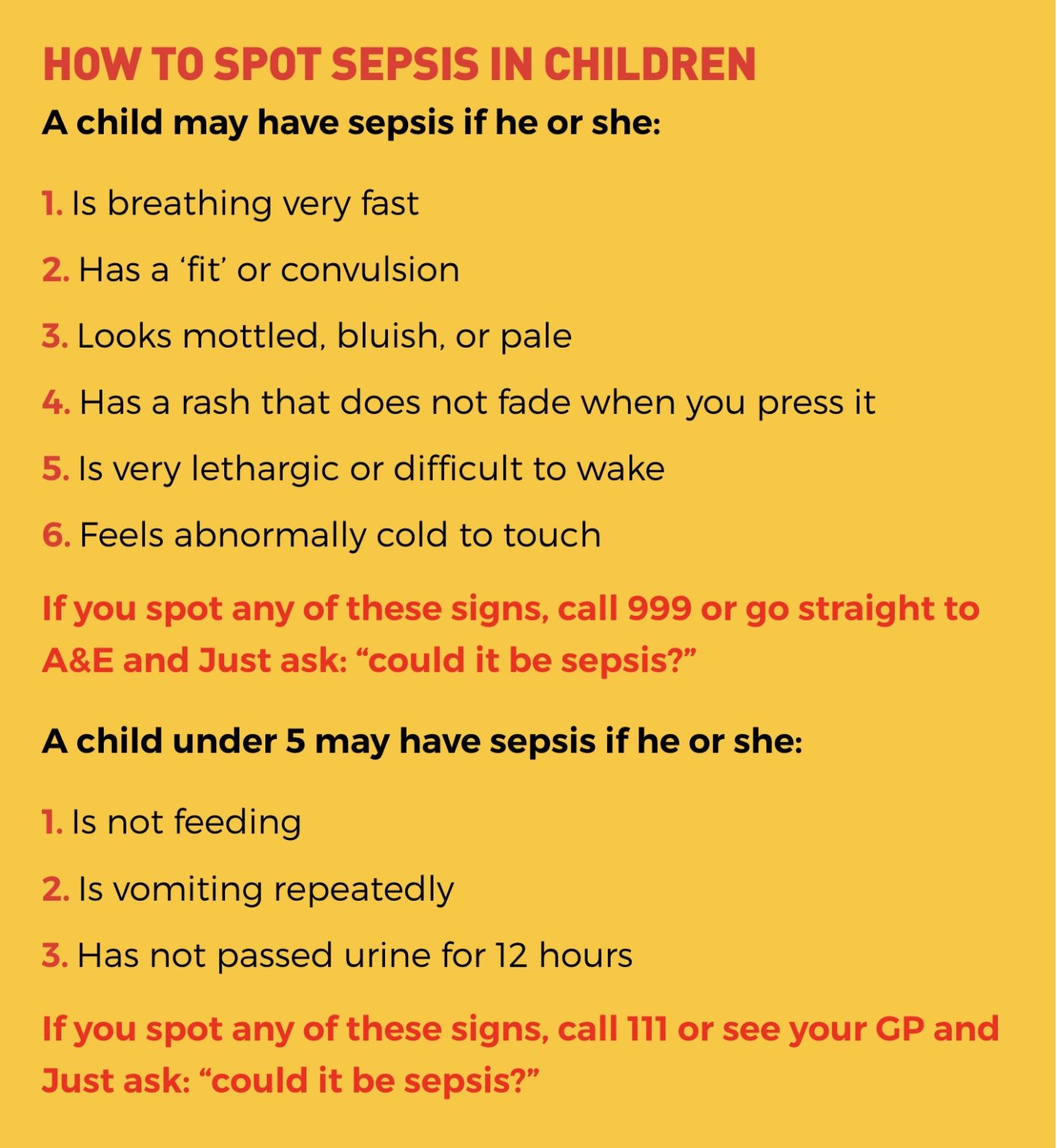
How to spot sepsis
Sepsis is a life-threatening reaction to an infection. It can get worse quickly. If someone is seriously unwell and may have sepsis, call 999 or go to your nearest Emergency Department. Do not wait for every sign, a high temperature or a rash.
An unwell child under 5 who has not had a pee or wet nappy for 12 hours needs emergency assessment. If you are unsure and there are no emergency signs, call NHS 111 for advice.
Sources
- NHS - Sprains and strainshttps://www.nhs.uk/conditions/sprains-and-strains/
- NHS - How pharmacies can helphttps://www.nhs.uk/nhs-services/pharmacies/how-pharmacies-can-help/
- NHS - When to go to an Urgent Treatment Centrehttps://www.nhs.uk/nhs-services/urgent-and-emergency-care-services/when-to-visit-an-urgent-treatment-centre/
- NHS - Fever in childrenhttps://www.nhs.uk/symptoms/fever-in-children/
- NHS - Sepsishttps://www.nhs.uk/conditions/sepsis/
- NHS - When to use NHS 111https://www.nhs.uk/nhs-services/urgent-and-emergency-care-services/when-to-use-111/